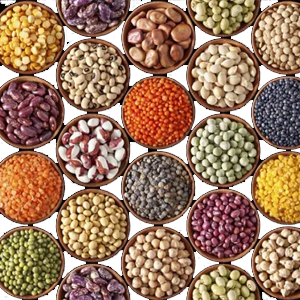
Cereals, Grains, Pulses & Products
Laboratory testing of cereals, grains, pulses, and their derived products is critical to ensure food safety, quality, nutritional value, and compliance with regulatory standards. These tests help producers, processors, and regulators verify product integrity and suitability for consumption or further processing.
Key Laboratory Tests for Cereals, Grains, Pulses & Products:
-
Physical and Visual Inspection:
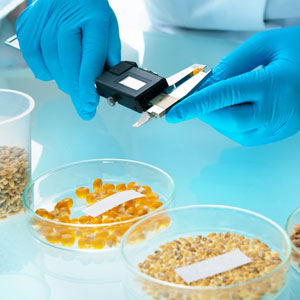
- Grain Size and Shape Analysis: Ensures uniformity and quality.
- Foreign Matter and Impurity Check: Detects contaminants such as stones, husks, or other foreign materials.
- Color and Appearance: Important quality parameters affecting market acceptance.
-
Moisture Content:
- Determines water content to assess freshness, prevent spoilage, and optimize storage conditions.
-
Nutritional Analysis:
- Protein, Carbohydrates, Fat, and Fiber Content: Key nutritional components measured for labeling and quality control.
- Vitamin and Mineral Content: Identifies essential micronutrients and fortification levels.
-
Microbiological Testing:
- Detects microbial contamination including total plate count, molds, yeasts, and specific pathogens like Salmonella and E. coli.
-
Mycotoxin Screening:
- Detects toxic compounds produced by fungi, such as aflatoxins and ochratoxins, which pose serious health risks.
-
Pesticide Residue Analysis:
- Ensures compliance with safety limits for pesticide residues resulting from agricultural practices.
-
Heavy Metals Testing:
- Checks for contaminants like lead, cadmium, arsenic, and mercury that can accumulate in crops.
-
Functional and Processing Quality Tests:
- Includes tests like gluten content in wheat, water absorption, and pasting properties which affect processing performance.
Some Important FAQ's
Testing ensures safety, nutritional quality, and compliance with standards, protecting consumers from contamination, adulteration, and spoilage.
Tests include moisture content, protein, carbohydrate, fat content, fiber, ash, mineral content, microbial load, pesticide residues, and mycotoxin analysis.
Mycotoxins are toxic compounds produced by molds (e.g., aflatoxins); testing is essential to ensure food safety.
Yes, organizations like ISO, Codex Alimentarius, and national food safety authorities provide guidelines.
Our Services
Fresh & Dried Fruits
Cereals, Grains, Pulses & Products
Oils & Fats
Tea & Coffee
Milk & Milk Products
SAFFRON
SHILAJIT
White Sugar
Salt
Honey & Waxes
Juices & Concentrates
Fortified Biscuits
Baby Milk
Ready to Use Products
Confectionaries
Pesticides
Fertilizers
Microbiology