SAFFRON
Saffron Laboratory Testing Methods
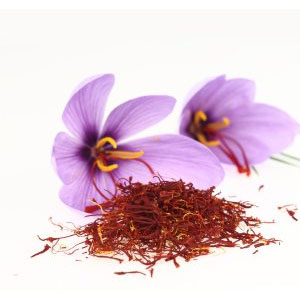
Saffron, often hailed as the world’s most precious spice, commands rigorous quality control to ensure its authenticity, purity, and chemical composition. Laboratory testing methods for saffron have evolved to meet these demands, helping producers, traders, and consumers verify saffron's quality and detect adulteration.
The primary focus of saffron testing lies in identifying its key bioactive compounds—mainly crocin (responsible for color), picrocrocin (taste), and safranal (aroma). These compounds define saffron's sensory and therapeutic properties, making their precise measurement essential.
Common Laboratory Testing Techniques
- UV-Visible Spectrophotometry: This is the standard method used to quantify crocin, picrocrocin, and safranal by measuring their absorbance at specific wavelengths. It provides a fast, reliable assessment of saffron’s coloring strength and overall quality.
- High-Performance Liquid Chromatography (HPLC): HPLC offers a more detailed chemical profile by separating and quantifying individual compounds in saffron. It helps confirm purity and detect adulterants or substitutes.
- Gas Chromatography-Mass Spectrometry (GC-MS): This technique analyzes volatile compounds like safranal, giving insight into saffron’s aroma profile and freshness. It’s particularly useful for authenticity verification.
- Microscopic Examination: By observing saffron stigmas under a microscope, technicians can identify morphological features and detect possible adulteration with foreign matter.
- Moisture and Ash Content Analysis: Measuring moisture ensures saffron is properly dried to prevent spoilage, while ash content reflects inorganic impurities or adulteration.


Some Important FAQ's
Testing ensures saffron’s authenticity, quality, and purity, protecting consumers from adulteration and guaranteeing expected sensory and therapeutic properties.
The main compounds are crocin (color), picrocrocin (taste), and safranal (aroma). These define saffron’s quality.
It measures the absorbance of saffron extracts at specific wavelengths to quantify coloring strength and detect adulteration.
Yes, through chemical profiling and microscopic examination, adulterants and substitutes can be identified.
Yes, proper moisture levels prevent spoilage and maintain quality during storage.
Our Services
Fresh & Dried Fruits
Cereals, Grains, Pulses & Products
Oils & Fats
Tea & Coffee
Milk & Milk Products
SAFFRON
SHILAJIT
White Sugar
Salt
Honey & Waxes
Juices & Concentrates
Fortified Biscuits
Baby Milk
Ready to Use Products
Confectionaries
Pesticides
Fertilizers
Microbiology