Tea & Coffee
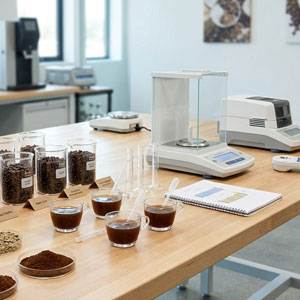
Laboratory testing for tea and coffee plays a crucial role in ensuring product quality, safety, authenticity, and compliance with industry standards. Whether raw or processed, tea leaves and coffee beans undergo various analyses to meet consumer expectations and regulatory requirements.
Key Laboratory Tests for Tea and Coffee:
-
Chemical Analysis:
- Caffeine Content: Measures the level of caffeine to verify labeling and quality.
- Polyphenols and Antioxidants: Assesses beneficial compounds that contribute to flavor and health benefits.
- Moisture Content: Important for shelf-life and prevention of microbial growth.
- Ash Content: Indicates mineral content and purity.
- Pesticide Residue Testing: Detects harmful chemicals to ensure safety.
- Heavy Metals Testing: Checks for contaminants like lead, cadmium, and arsenic.
-
Physical Testing:
- Color and Appearance: Evaluates the visual quality and uniformity of leaves or beans.
- Particle Size and Uniformity: Important for ground teas and coffee powder consistency.
-
Microbiological Testing:
- Total Plate Count: Measures overall microbial load.
- Yeast and Mold Counts: Important for preventing spoilage.
- Pathogen Detection: Tests for harmful bacteria such as Salmonella and E. coli.
-
Sensory Evaluation:
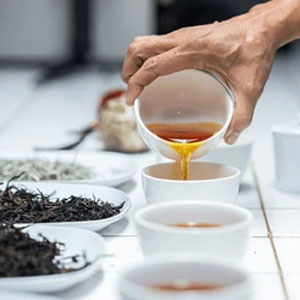
- Aroma and Flavor Profiling: Conducted by trained panels to assess taste, aroma, and overall sensory quality.
- Brew Strength and Color: Ensures the product meets expected standards when prepared.
-
Authenticity and Adulteration Testing:
- Techniques such as DNA barcoding and chemical fingerprinting verify the origin and purity of tea and coffee, preventing adulteration or mislabeling.


Some Important FAQ's
Testing ensures product quality, authenticity, safety, and compliance with food standards, protecting consumers from adulteration and contaminants.
Tests include moisture content, ash content, caffeine levels, polyphenol content (antioxidants), pesticide residues, heavy metals, microbial load, and sensory evaluation.
Tests include moisture, caffeine content, chlorogenic acids, fat content, ash, microbial contamination, pesticide residues, and sensory analysis.
Yes, organizations like ISO, Codex Alimentarius, and national regulatory bodies define testing standards and limits.
Accredited food testing laboratories and specialized beverage quality control labs offer testing services.
Our Services
Fresh & Dried Fruits
Cereals, Grains, Pulses & Products
Oils & Fats
Tea & Coffee
Milk & Milk Products
SAFFRON
SHILAJIT
White Sugar
Salt
Honey & Waxes
Juices & Concentrates
Fortified Biscuits
Baby Milk
Ready to Use Products
Confectionaries
Pesticides
Fertilizers
Microbiology